
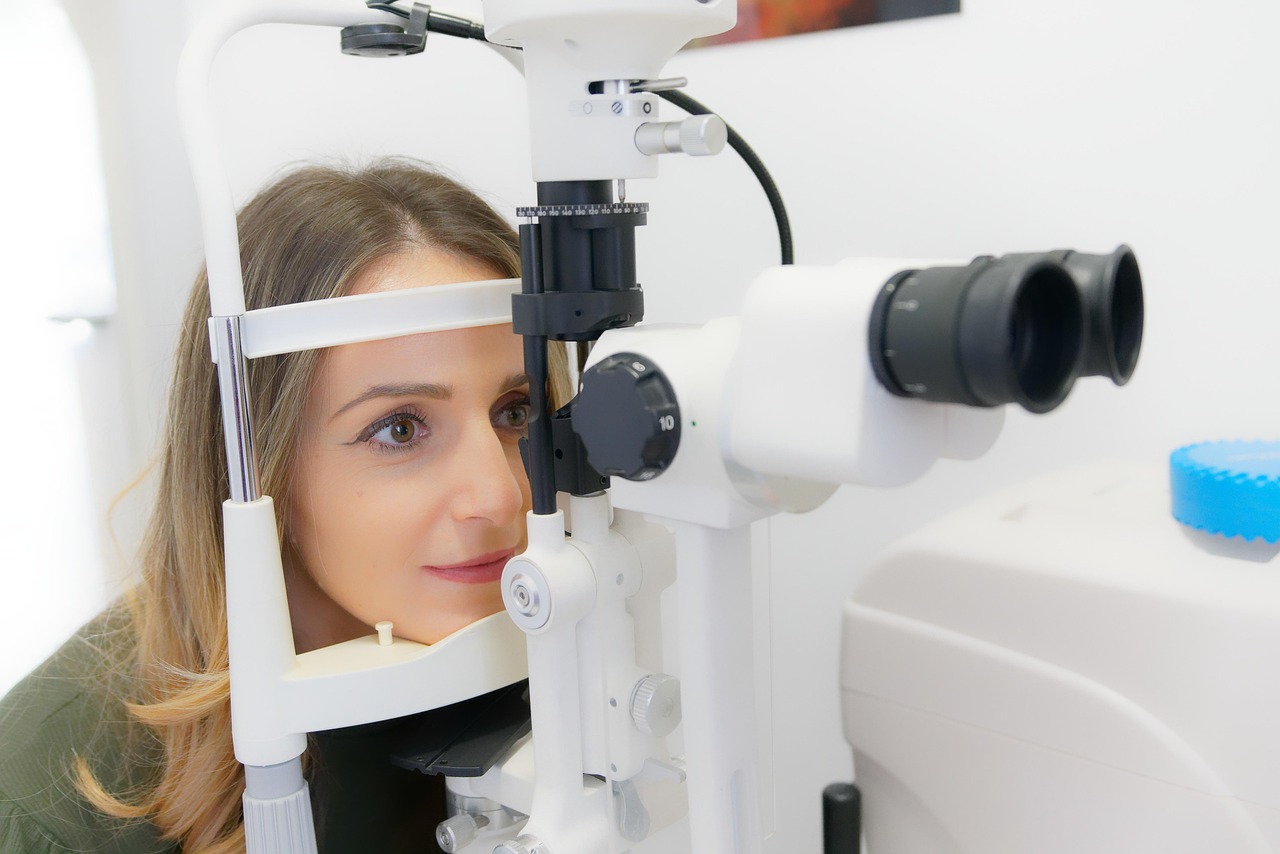
Introduction: What is Glaucoma?
Glaucoma is a group of eye diseases that damage the optic nerve, which is essential for vision. This damage is often caused by increased intraocular pressure (IOP), but it can also occur even with normal eye pressure.
What makes glaucoma particularly dangerous is that it progresses silently—most patients do not notice any symptoms until significant vision loss has already occurred. Once vision is lost due to glaucoma, it cannot be recovered. Hence, early detection and timely treatment are critical.
Early Signs and Symptoms of Glaucoma
In most cases, especially open-angle glaucoma, there are no early warning signs.
However, as the disease progresses, patients may notice:
- Gradual loss of peripheral (side) vision
- Difficulty seeing in low light
- Tunnel vision in advanced stages
In cases of angle-closure glaucoma (acute type), symptoms can be sudden and severe:
- Severe eye pain
- Redness in the eye
- Blurred vision
- Halos around lights
- Headache, nausea, or vomiting
Any of these acute symptoms requires immediate medical attention.
Common Types of Glaucoma
- Primary Open-Angle Glaucoma (POAG)
- Most common type
- Slow, painless progression
- Often detected during routine eye check-up
- Angle-Closure Glaucoma
- Sudden rise in eye pressure
- Medical emergency
- Normal-Tension Glaucoma
- Optic nerve damage despite normal eye pressure
- Secondary Glaucoma
- Caused by other conditions like trauma, inflammation, steroid use, or diabetes
- Congenital Glaucoma
- Present at birth due to developmental abnormalities
Causes and Risk Factors of Glaucoma
While the exact cause may not always be known, several risk factors increase the likelihood of developing glaucoma:
- Age above 40 years
- Family history of glaucoma
- High intraocular pressure
- Diabetes and hypertension
- Long-term steroid use
- Previous eye injury or surgery
- High myopia (minus number)
Regular screening becomes especially important if any of these risk factors are present.
How is Glaucoma Diagnosed?
Glaucoma diagnosis is not based on a single test. It requires a comprehensive eye evaluation.
Diagnostic Tools for Glaucoma
- Tonometry – Measures intraocular pressure
- Gonioscopy – Evaluates the drainage angle of the eye
- Optic Nerve Evaluation – Clinical examination of optic disc
- OCT (Optical Coherence Tomography) – Assesses nerve fiber layer thickness
- Visual Field Test (Perimetry) – Detects functional vision loss
- Pachymetry – Measures corneal thickness
Early detection through these tests can prevent irreversible damage.
Treatment Options for Glaucoma
The goal of glaucoma treatment is to lower intraocular pressure and prevent further optic nerve damage.
- Medical Treatment (Eye Drops)
- First line of treatment
- Reduces eye pressure by decreasing fluid production or improving drainage
- Laser Treatment
- Laser Trabeculoplasty for open-angle glaucoma
- Laser Iridotomy for angle-closure glaucoma
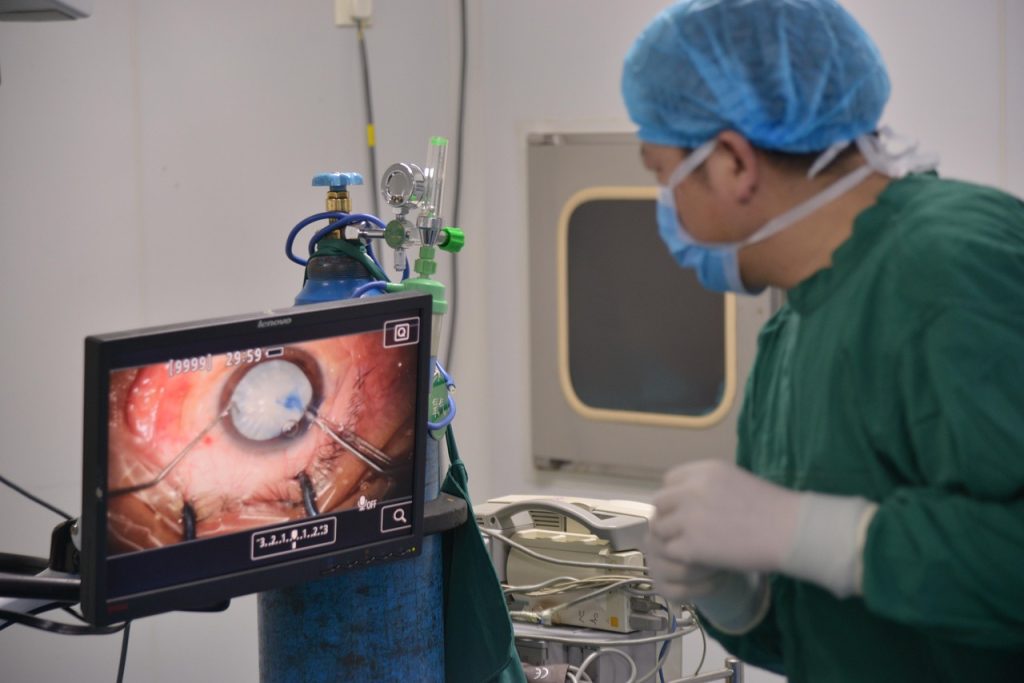
- Surgical Treatment
- Trabeculectomy
- Glaucoma drainage devices (valves)
- Minimally Invasive Glaucoma Surgery (MIGS)
Treatment is individualized depending on the type and severity of glaucoma.
Follow-Up and Monitoring of Glaucoma
Glaucoma requires lifelong monitoring.
Follow-up typically includes:
- Regular intraocular pressure checks
- Periodic OCT scans
- Visual field testing
- Assessment of optic nerve status
Even if vision seems stable, progression can occur silently. Hence, compliance with medication and regular follow-up is essential.
Conclusion: Protect Your Vision with Timely Care
Glaucoma is a chronic condition, but with early diagnosis and proper management, vision can be preserved.
At Mahendra Eye Institute, we offer:
- Comprehensive glaucoma evaluation
- Advanced diagnostic tools (OCT, visual fields, etc.)
- Medical, laser, and surgical management under expert care
If you are over 40 years old or have risk factors, it is advisable to have a routine eye check-up.
Do not wait for symptoms—by the time you notice vision loss, it may already be irreversible.