Glaucoma: The Silent Thief of Vision – Early Detection Can Save Sight

Introduction: What is Glaucoma?

Glaucoma is a group of eye diseases that damage the optic nerve, which is essential for vision. This damage is often caused by increased intraocular pressure (IOP), but it can also occur even with normal eye pressure.

What makes glaucoma particularly dangerous is that it progresses silently—most patients do not notice any symptoms until significant vision loss has already occurred. Once vision is lost due to glaucoma, it cannot be recovered. Hence, early detection and timely treatment are critical.

Early Signs and Symptoms of Glaucoma

In most cases, especially open-angle glaucoma, there are no early warning signs.

However, as the disease progresses, patients may notice:

  • Gradual loss of peripheral (side) vision
  • Difficulty seeing in low light
  • Tunnel vision in advanced stages

In cases of angle-closure glaucoma (acute type), symptoms can be sudden and severe:

  • Severe eye pain
  • Redness in the eye
  • Blurred vision
  • Halos around lights
  • Headache, nausea, or vomiting

Any of these acute symptoms requires immediate medical attention.
Common Types of Glaucoma

  1. Primary Open-Angle Glaucoma (POAG)
    • Most common type
    • Slow, painless progression
    • Often detected during routine eye check-up
  2. Angle-Closure Glaucoma
    • Sudden rise in eye pressure
    • Medical emergency
  3. Normal-Tension Glaucoma
    • Optic nerve damage despite normal eye pressure
  4. Secondary Glaucoma
    • Caused by other conditions like trauma, inflammation, steroid use, or diabetes
  5. Congenital Glaucoma
    • Present at birth due to developmental abnormalities

Causes and Risk Factors of Glaucoma

While the exact cause may not always be known, several risk factors increase the likelihood of developing glaucoma:

  • Age above 40 years
  • Family history of glaucoma
  • High intraocular pressure
  • Diabetes and hypertension
  • Long-term steroid use
  • Previous eye injury or surgery
  • High myopia (minus number)

Regular screening becomes especially important if any of these risk factors are present.

How is Glaucoma Diagnosed?

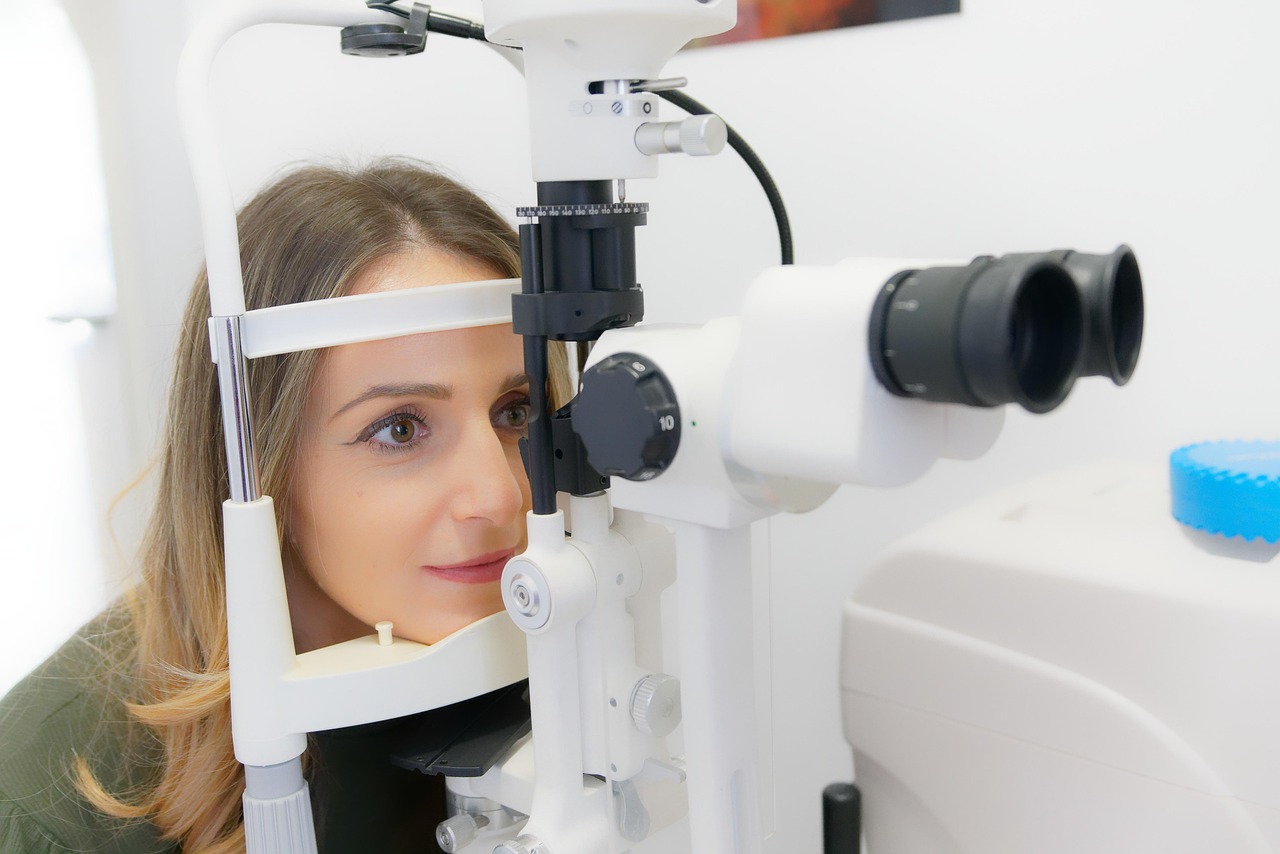
Glaucoma diagnosis is not based on a single test. It requires a comprehensive eye evaluation.

Diagnostic Tools for Glaucoma

  • Tonometry – Measures intraocular pressure
  • Gonioscopy – Evaluates the drainage angle of the eye
  • Optic Nerve Evaluation – Clinical examination of optic disc
  • OCT (Optical Coherence Tomography) – Assesses nerve fiber layer thickness
  • Visual Field Test (Perimetry) – Detects functional vision loss
  • Pachymetry – Measures corneal thickness

Early detection through these tests can prevent irreversible damage.

Treatment Options for Glaucoma

The goal of glaucoma treatment is to lower intraocular pressure and prevent further optic nerve damage.

  1. Medical Treatment (Eye Drops)
    • First line of treatment
    • Reduces eye pressure by decreasing fluid production or improving drainage
  2. Laser Treatment
    • Laser Trabeculoplasty for open-angle glaucoma
    • Laser Iridotomy for angle-closure glaucoma
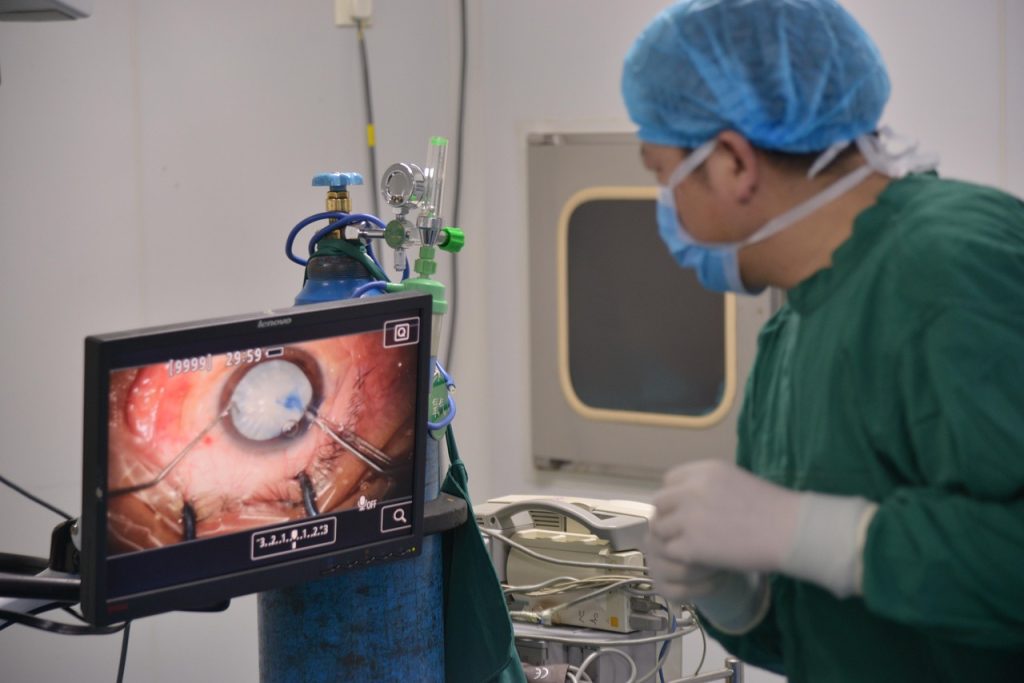
  3. Surgical Treatment
    • Trabeculectomy
    • Glaucoma drainage devices (valves)
    • Minimally Invasive Glaucoma Surgery (MIGS)

Treatment is individualized depending on the type and severity of glaucoma.

Follow-Up and Monitoring of Glaucoma

Glaucoma requires lifelong monitoring.

Follow-up typically includes:

  • Regular intraocular pressure checks
  • Periodic OCT scans
  • Visual field testing
  • Assessment of optic nerve status

Even if vision seems stable, progression can occur silently. Hence, compliance with medication and regular follow-up is essential.

Conclusion: Protect Your Vision with Timely Care

Glaucoma is a chronic condition, but with early diagnosis and proper management, vision can be preserved.

At Mahendra Eye Institute, we offer:

  • Comprehensive glaucoma evaluation
  • Advanced diagnostic tools (OCT, visual fields, etc.)
  • Medical, laser, and surgical management under expert care

If you are over 40 years old or have risk factors, it is advisable to have a routine eye check-up.

Do not wait for symptoms—by the time you notice vision loss, it may already be irreversible.
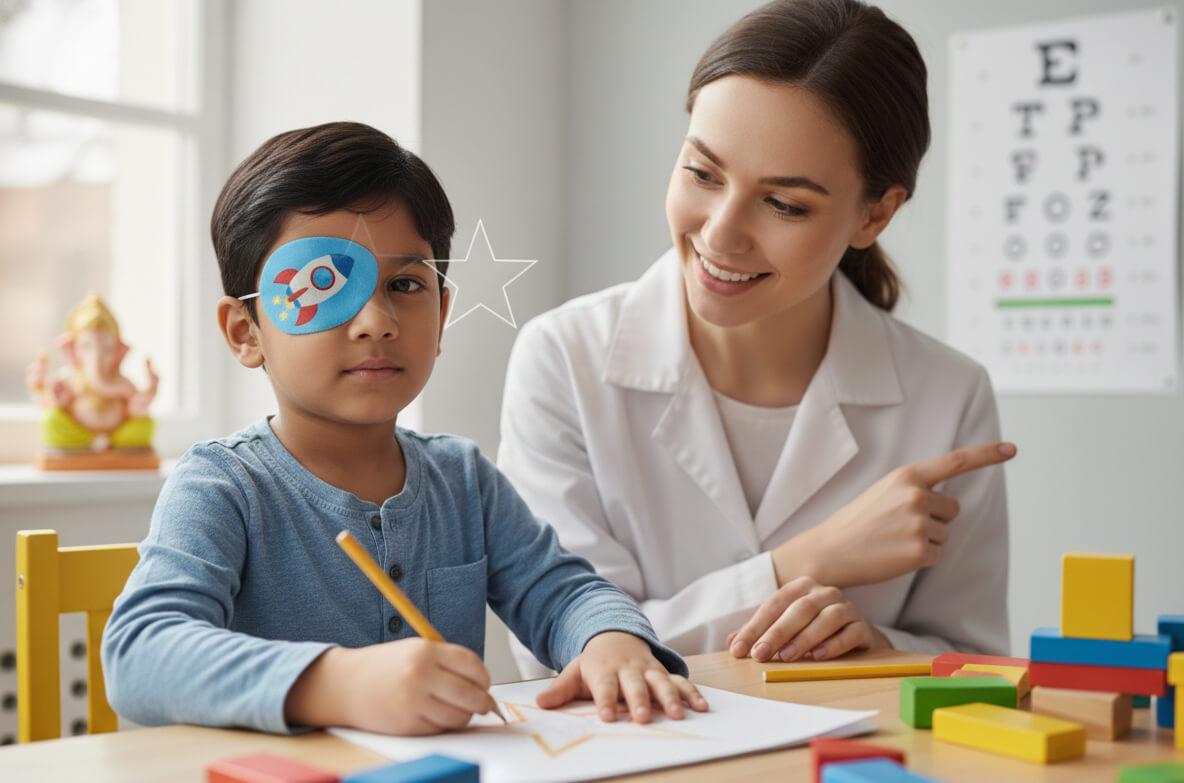
Amblyopia (Lazy Eye): Causes, Symptoms, Treatment

What is Amblyopia (Lazy Eye)?

Amblyopia, commonly known as lazy eye, is a condition where vision in one eye does not develop properly during childhood. Even though the eye may look normal, the brain does not use it well, leading to reduced vision. In simple words, the brain starts depending more on the stronger eye and ignores the weaker one.
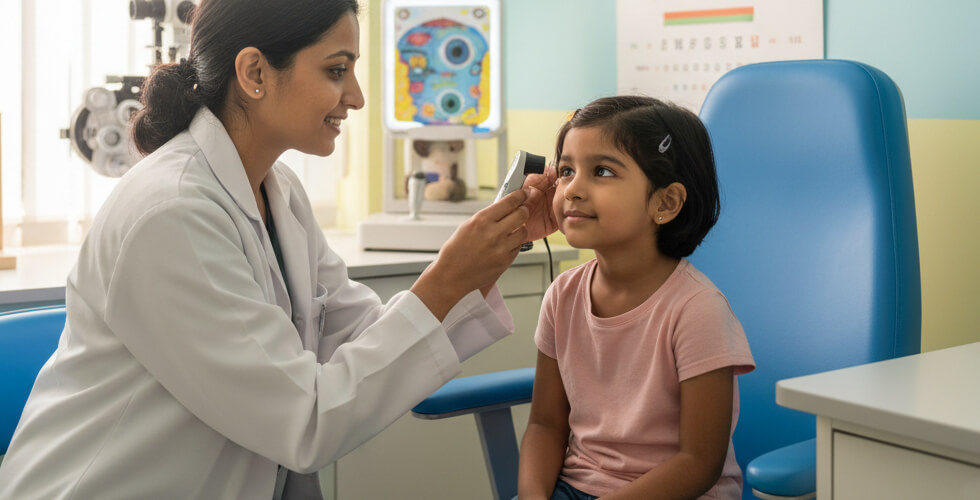
Amblyopia usually develops in early childhood and is one of the most common causes of poor vision in children. The problem is that children often do not realise or complain that they are not seeing well,so the condition can remain hidden unless an eye check-up is done.

What Causes Amblyopia?

The most common causes of amblyopia include:
  • Uncorrected refractive error (high power glasses not worn)
  • Unequal power in both eyes (one eye much stronger than the other)
  • Squint (crossed or misaligned eyes)
  • Blocked vision due to cataract, droopy eyelid (ptosis), or corneal problems

When one eye sends a blurred image to the brain for a long time, the brain learns to ignore it. Over time, this leads to amblyopia.


How is Amblyopia Treated?

The main aim of amblyopia treatment is to force the brain to use the weaker eye so that vision can improve. Treatment options include:
  • Correct glasses for refractive errors
  • Patching the stronger eye to stimulate the weaker eye
  • Treating the cause, such as squint surgery or cataract surgery
Treatment works best when started early, usually before the age of 7–8 years. With proper and regular treatment, many children show excellent improvement.

Why Early Detection is Important

Amblyopia does not correct itself. If left untreated, it can cause permanent vision loss in one eye. That is why early eye screening—even in children who appear normal—is extremely important. The earlier the treatment starts, the better the results.
School surveys play the best role in detecting such conditions.

Frequently Asked Questions (FAQs)

Q1. What is amblyopia in simple words?
Amblyopia means one eye is weak because the brain is not using it properly, even though the eye looks normal.
Q2. At what age should amblyopia be treated?
Ideally before 7–8 years of age. Earlier treatment gives better results.
Q3. Can amblyopia be cured completely?
Yes, if detected early and treated properly, vision can improve significantly and sometimes completely.
Q4. Does amblyopia always cause squint?
No. A child can have amblyopia without any visible squint. That’s why eye check-ups are important.
Q5. How long does patching treatment take?
It depends on the severity and age of the child. Treatment may take months to a few years, with regular follow-up.
Message to Remember:
Amblyopia is a treatable childhood eye condition, but only if detected on time. Regular eye examinations in children are the key to preventing lifelong vision problems. Parents should never ignore routine eye check-ups—even if the child seems to see well.
For Routine Eye Check up of your child contact us.

Screen Time & Children’s Eyes: How to Prevent Computer Vision Syndrome in Kids

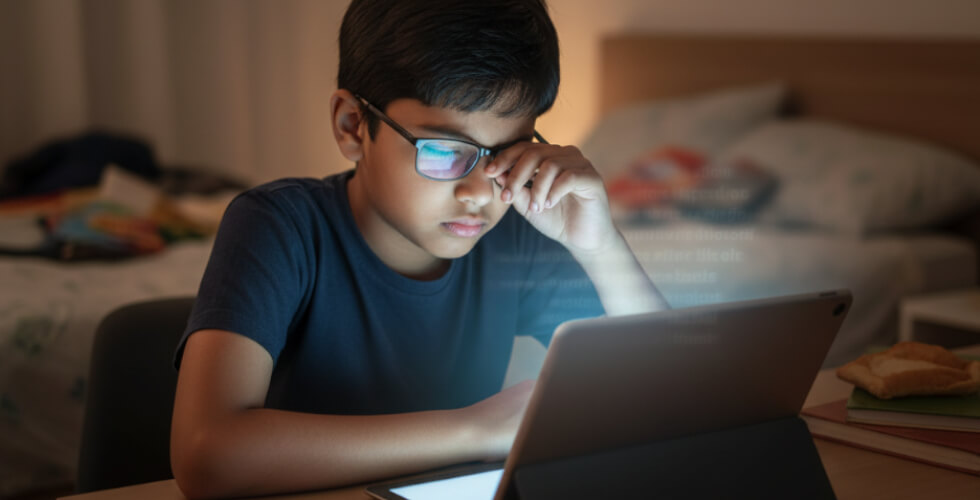
In today’s digital world, mobiles, tablets, online classes, video games, and OTT platforms have become routine for children. While technology helps them learn and stay entertained, excessive screen time can harm their eyes, leading to a condition called Computer Vision Syndrome (CVS) or Digital Eye Strain.

Children are more at risk because their eyes are still developing and they don’t realise how long they’ve been staring at the screen.


How Do Parents Know Something Is Wrong? – Symptoms to Watch For

Parents should look out for the following warning signs:

  • Frequent blinking or rubbing of the eyes
  • Dryness or watery eyes
  • Redness, burning, or itching sensation
  • Complaints of headache or heaviness in the eyes
  • Difficulty in focusing or blurred vision (especially after screen use)
  • Squinting or squeezing eyes while watching screens or reading
  • Holding a mobile/tablet very close to the eyes
  • Neck/shoulder pain due to poor posture
  • Irritability, short attention span, and avoiding studies or outdoor play

Clinically, this may be due to asthenopia (eye strain), accommodative spasm, or early myopia (number increasing).

What is Computer Vision Syndrome (CVS)?

Computer Vision Syndrome is a group of eye and vision-related problems caused by prolonged digital screen use.

Why does it happen?


  • Children blink 60% less while watching screens → leads to tear film instability & dryness
  • Blue light from screens can cause eye strain and affect sleep cycles
  • Continuous near work stresses the eye muscles, leading to accommodation fatigue
  • Poor posture → neck and shoulder strain
  • Excessive screen time is directly linked to increasing myopia (power of glasses) in children

Treatment – When Should You See an Eye Doctor?

You should visit an eye specialist if symptoms persist for more than a week. An eye doctor may suggest:

  • Cycloplegic refraction to check the correct eye power
  • Lubricating eye drops (preservative-free) for dryness
  • Anti-fatigue or blue-light filter glasses – may help some children, but should be prescribed only after proper examination
  • Vision therapy or eye exercises if there is accommodative spasm or convergence weakness
  • Treatment of squint or amblyopia (lazy eye) if detected early

Tips to Protect Your Child’s Eyes from Screen Damage

  1. Follow the 20-20-20 Rule.
    • Every 20 minutes, take a 20-second break, and look at something 20 feet away.
  2. Limit Screen Time as per Age (WHO/AAP Guidelines)
  3. Maintain Proper Screen Distance & Posture
    • Mobile/tab should be at arm’s length (18–24 inches)
    • Screen should be at or slightly below eye level
    • Child should sit on a chair with back support, not lying down
  4. Encourage Outdoor Play – Best Protection Against Myopia
    • At least 2 hours of outdoor activity daily
    • Sunlight helps in healthy eye growth and delays eye number increase
  5. Blinking Exercises & Artificial Tears (if advised)
    • Teach children to blink consciously while using screens.
    • Use teardrops only if prescribed.
  6. Reduce Blue Light Exposure
    • Turn on ‘Night Mode’ / ‘Eye Comfort Mode’ on devices
    • Avoid screens 1 hour before bedtime to improve sleep quality

Conclusion

Screens are a part of modern life, but uncontrolled screen time can silently damage children’s eyes. The solution is not avoiding technology, but using it wisely and responsibly.

Early eye check-ups, healthy screen habits, and outdoor activities can protect your child’s vision today and for the future.

At Khairabad Eye Hospital & Mahendra Eye Institute, we are committed to protecting and preserving children’s eyesight with advanced care and compassionate guidance.